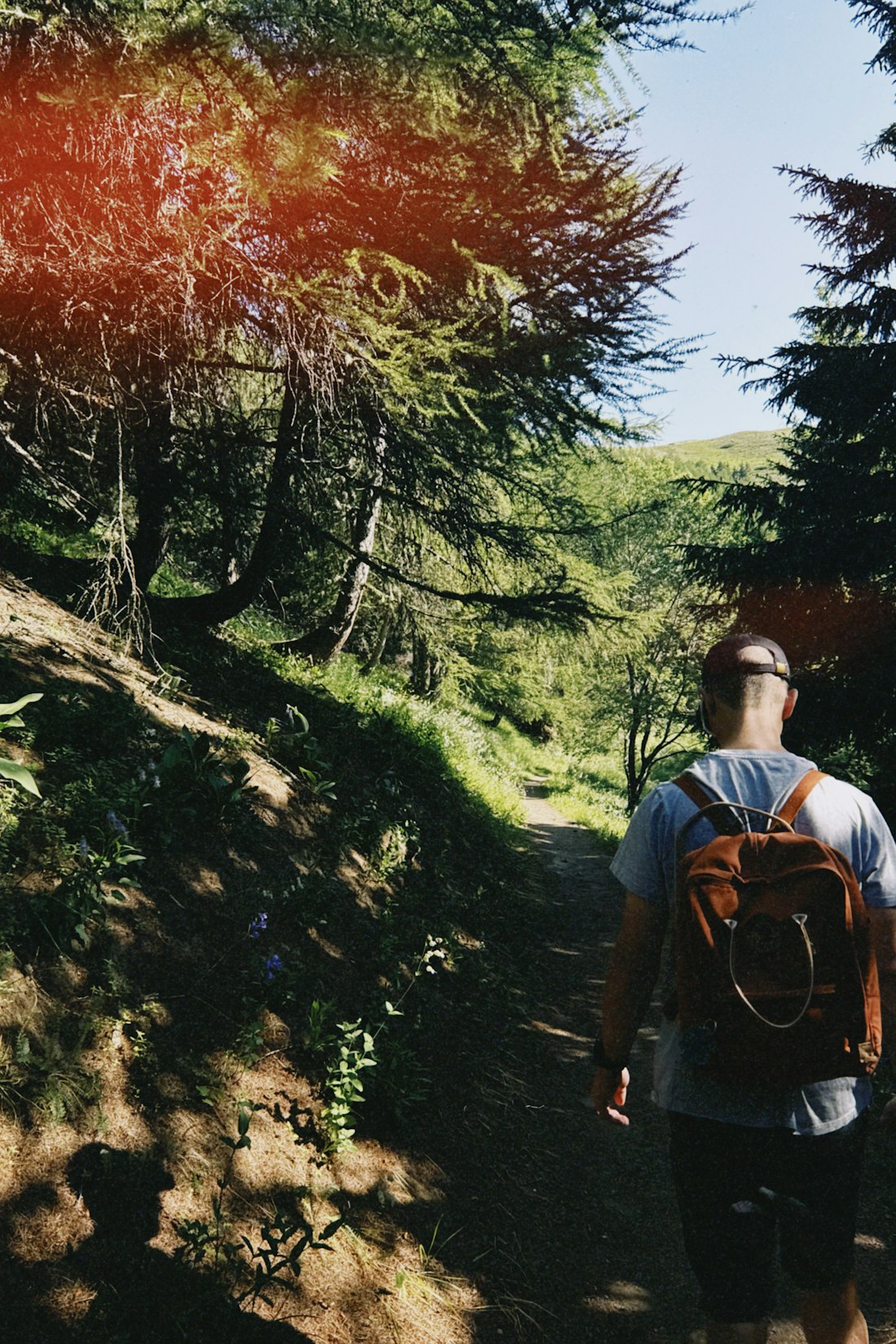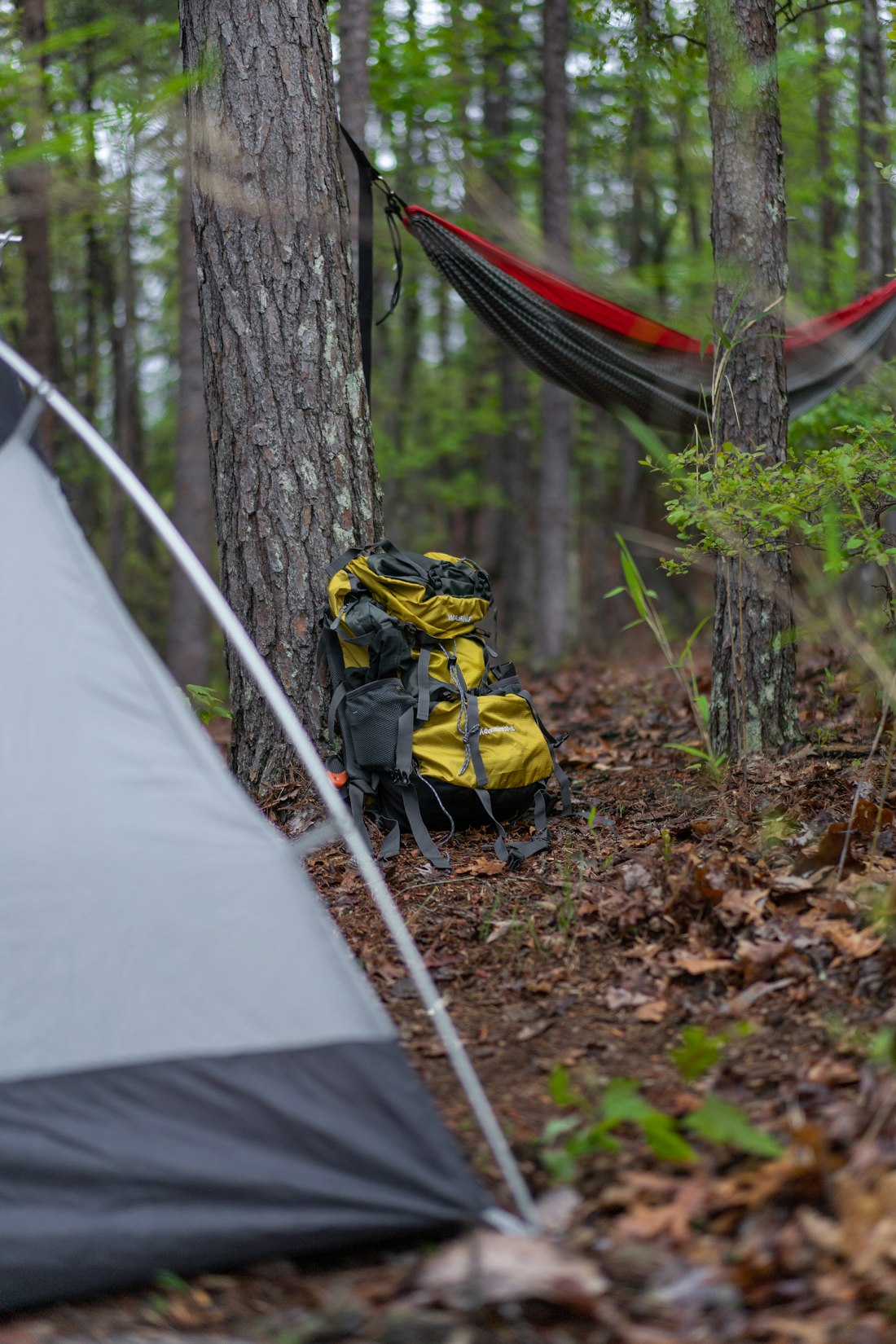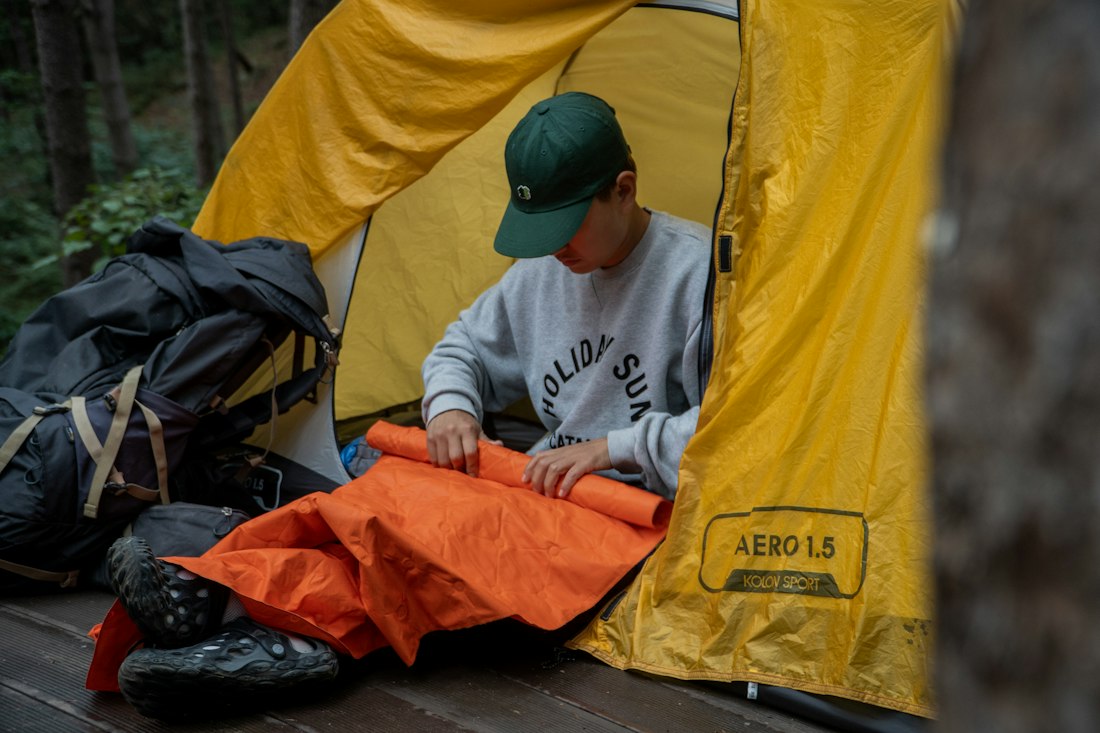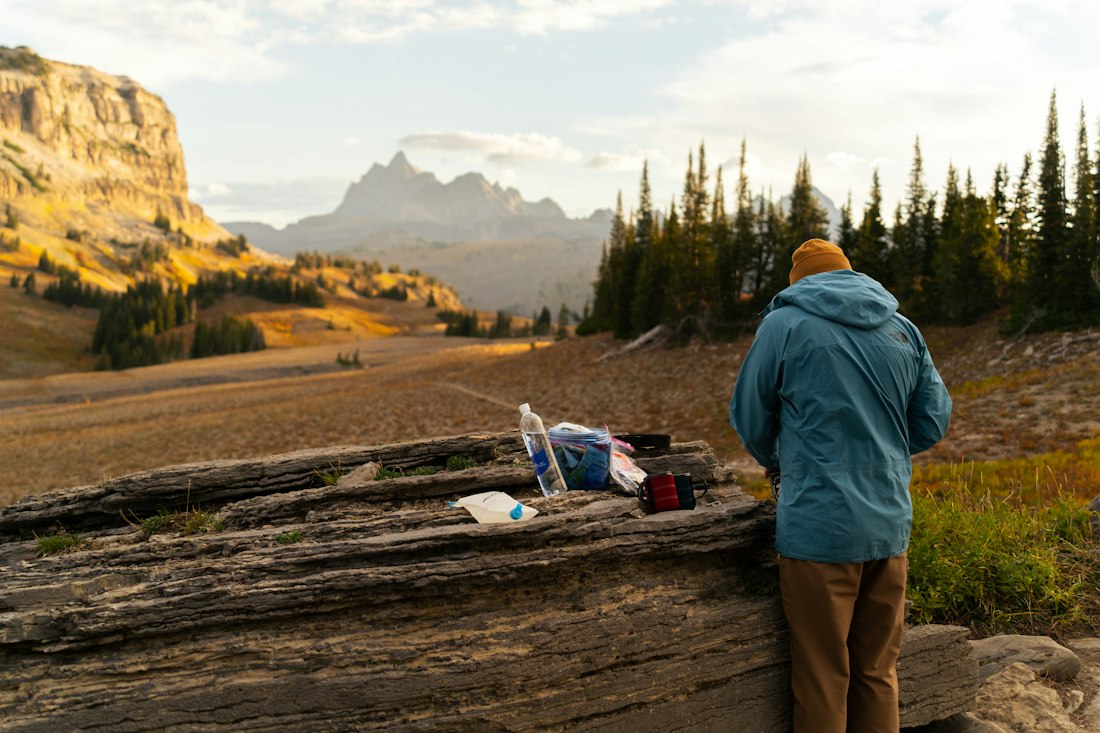
Start with the items your usual walk requires, then try a loaded pack. A useful pocket cannot make up for an uncomfortable fit.
Pack for a real day, not an imagined expedition
Write down the walk you are most likely to repeat: its duration, access to water, weather exposure and distance from help. Lay out your layers, water, food and emergency items. This gives you a more honest starting point than choosing the biggest capacity you can afford. A small pack that leaves your rain layer behind is too small; an oversized one filled with things you never use creates a different problem.
Capacity and body size are different measurements
Litres describe storage volume. They do not tell you whether the harness suits your torso. Manufacturers may offer different back lengths or adjustable systems, and their sizing charts are specific to the model. Use the relevant chart, then check the actual fit. If you are between sizes, compare both with a representative load rather than assuming your clothing size answers the question.
Do a loaded fitting
Place the gear you expect to carry inside the pack, or ask a shop for a representative test load. Adjust the harness according to the maker’s instructions. Walk, turn, reach and use a step if one is available. Look for rubbing, a pack that swings as you move, or straps that need constant tightening. If the design has a load-bearing hipbelt, check that it sits where the manufacturer intends and remains comfortable while walking. Different bodies can prefer different harness shapes.
Choose access around your habits
Try reaching a bottle without emptying the main compartment. Check whether a wet shell can be separated from dry clothing, whether a phone pocket suits your phone, and whether gloves make the buckles awkward. A rain cover is useful on some packs, but it is not a promise that everything inside will remain dry. Protect moisture-sensitive items in a suitable inner liner or waterproof container.
A simple decision before buying
Make a shortlist of two or three packs that fit, hold the same planned load and stay within your budget. Note the one annoyance you experienced with each. Choose the annoyance you can live with, rather than counting advertised features. Keep the return policy and test the loaded pack indoors before committing to a long outing.
A check before you decide
| Question | What to check |
|---|---|
| Will it carry my normal kit? | Load your layers, food, water and emergency items together. |
| Does the harness fit? | Use the model’s sizing guide and walk with a loaded pack. |
| Can I use it easily? | Try bottles, zips and pockets while wearing it. |
Sources and approach
Sources checked 17 November 2026. This is general, researched information. We have not carried out a hands-on test of the products shown. Read the specific manufacturer’s instructions and current local guidance. Our editorial policy.