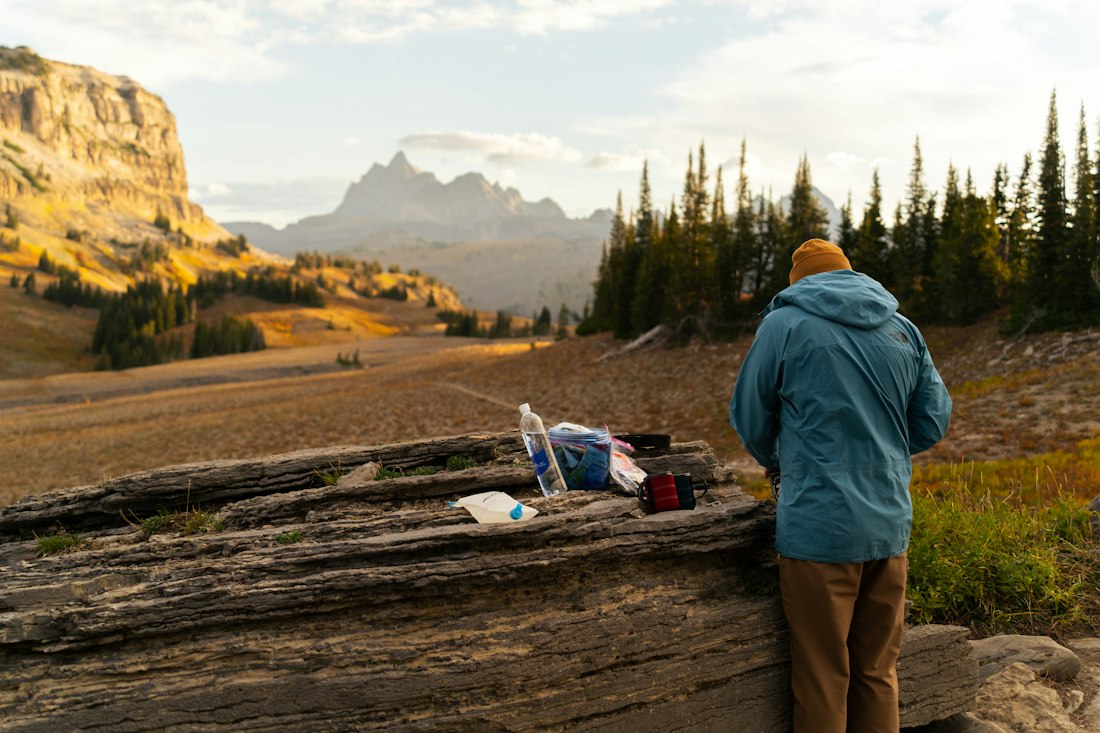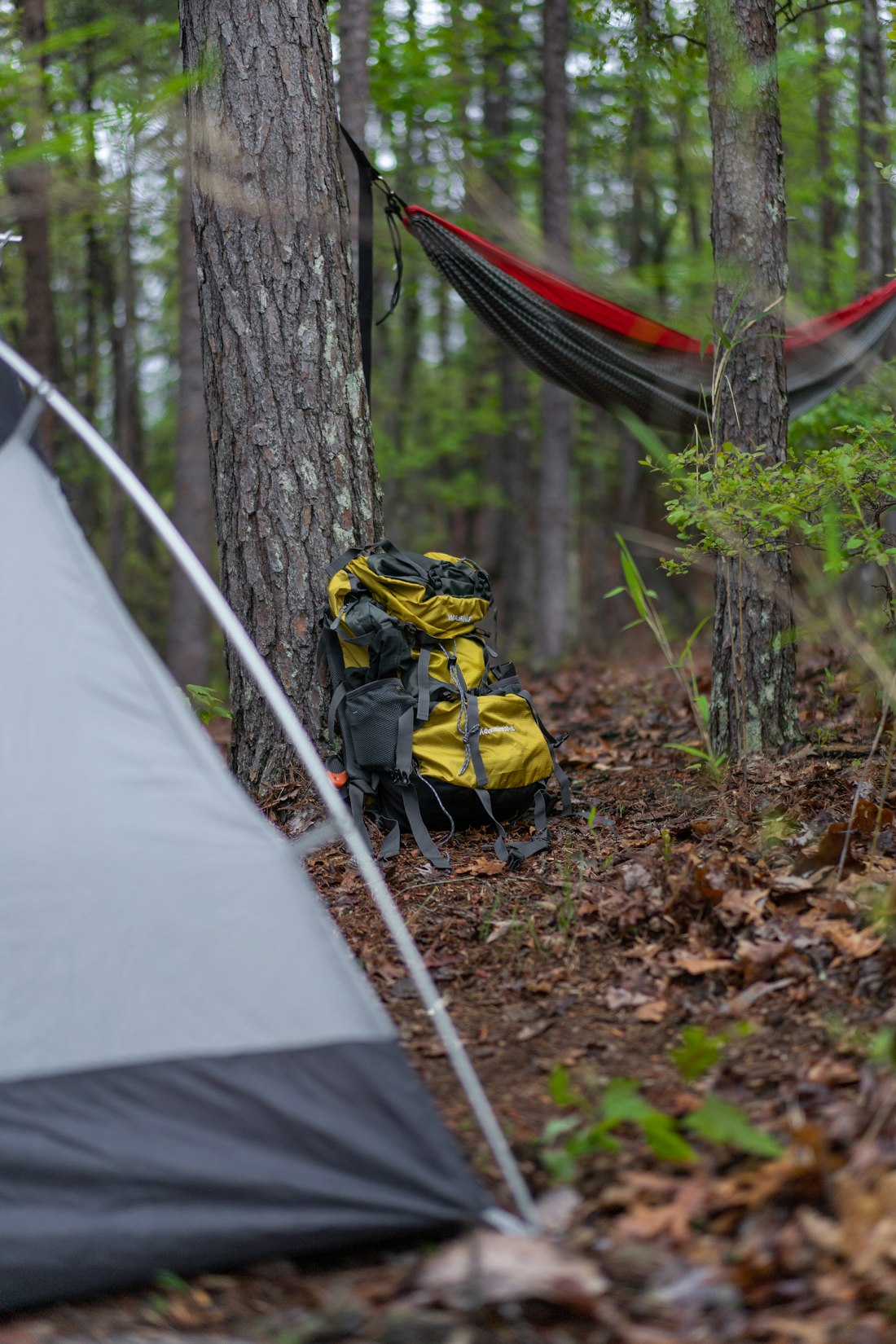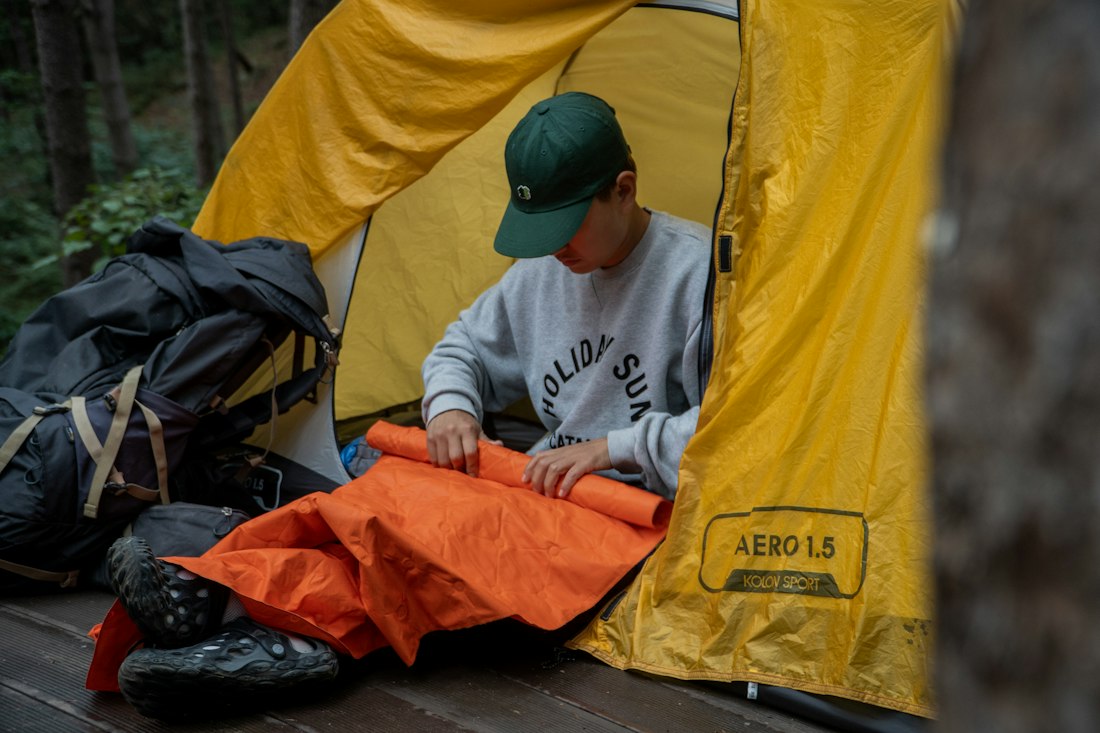
Start with the route, forecast and local guidance. Use a checklist to catch omissions, then add what your conditions and experience require.
Write the route before the kit list
Choose a walk that suits your group’s experience and current ability. Check the official land manager’s information for closures, access rules, daylight and current conditions. Note your start point, turnaround decision and expected finish. Leave the plan with someone who knows what to do if you do not return as arranged. A saved route on a phone is useful, but it does not replace a plan.
Group equipment by the job it does
The National Park Service uses the Ten Essentials as a framework for preparation. Think in systems: navigation, sun protection, extra clothing, lighting, first aid, appropriate emergency fire supplies, repair tools, extra food, water and emergency shelter. The details depend on the place and activity. Carry equipment you know how to use; owning a tool does not supply the skill to use it. Follow local fire restrictions and do not assume a fire will be available or appropriate.
Check the items that are easy to forget
Charge devices and check your light before packing. Download route information while you have a connection and take a suitable navigation backup. Look at the dates and contents of first-aid supplies. Check closures on water containers and consider how much water is available on the route without assuming a stream is drinkable. Use current local guidance for treatment and availability.
Pack in the order you will need things
Put rain protection and the items needed during short stops where you can reach them. Keep food contained and follow local wildlife storage requirements. Separate damp items from dry layers. The night before, tick the list only when each item is physically in the bag, rather than when you intend to add it later. Keep morning additions together in a visible place.
Use the checklist as a starting point
The checklist on this site saves ticks on the current browser only. It does not assess route safety or guarantee readiness. Add activity-specific items and any personal requirements separately. After a walk, write down one item you needed and one that was awkward to use. This makes the next list more useful without turning every trip into an excuse to buy more gear.
A check before you decide
| When | A useful check |
|---|---|
| Before choosing a route | Ability, official local conditions, access and daylight. |
| The evening before | Kit present, devices charged, route saved and plan shared. |
| Before leaving | Forecast changes, water, personal essentials and turnaround plan. |
| After returning | Dry kit, replenish supplies and update your notes. |
Sources and approach
Sources checked 17 November 2026. This is general, researched information. We have not carried out a hands-on test of the products shown. Read the specific manufacturer’s instructions and current local guidance. Our editorial policy.